
Far more often than you do. A needle is a consumable, and a blunt one causes problems people spend hours blaming on the machine.
She Likes to Sew is reader-supported. When you buy through links on our site, we may earn an affiliate commission.
As an Amazon Associate I earn from qualifying purchases.
How To
Sewing Machine Presser Feet Explained: Which Ones You Actually Use
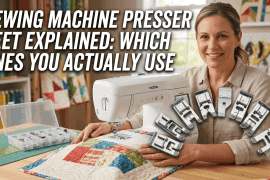
Most machines ship with feet their owners never identify. Here is what each one does, and which four cover the vast majority of sewing.
What Is a Walking Foot and When Do You Actually Need One?
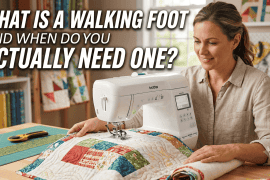
A walking foot feeds the top layer of fabric at the same rate as the bottom. For quilting, vinyl and slippery fabric it is the difference between a good seam and a ruined one.
Computerised vs Mechanical Sewing Machines: Which Is Right for You?
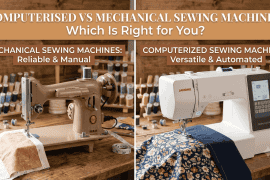
More stitches is not the same as more useful. Here is what actually differs between the two, and who is better served by each.
Feed Dogs: What They Do and When to Drop Them
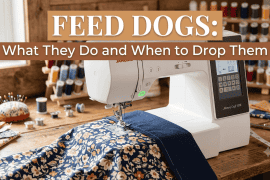
The small teeth under your needle plate control everything about how fabric moves. Knowing when to lower them opens up free-motion work.
What Stitch Length Should You Use? A Practical Guide
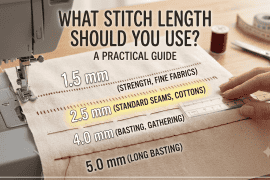
Stitch length is set once and forgotten by most sewers. Changing it for the fabric and the job makes a visible difference to strength and appearance.
Woven vs Knit Fabric: How to Tell, and How to Sew Each
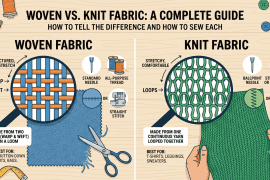
Woven and knit fabrics behave completely differently, and treating one like the other is why seams pop and edges curl. Here is how to identify and handle both.
Thread Weight Explained: What the Numbers Mean
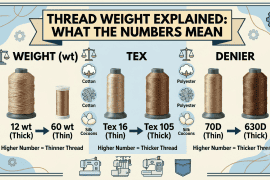
Thread weight numbers work backwards from what you would expect, and matching thread to needle matters more than brand. Here is the system.
Serger vs Sewing Machine: What Is the Difference?
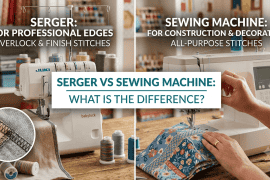
A serger is not a better sewing machine, or a replacement for one. It does a different job, and understanding which is which saves a lot of money.
How to Set Sewing Machine Tension (And When Not To)
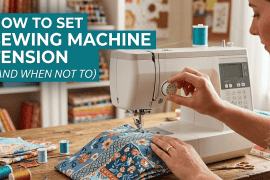
Tension is the most fiddled-with setting on any sewing machine and the least often the actual problem. Here is how to read a stitch and adjust properly.